What to check before booking a buggy tour in Dubai
A buggy ride in the desert can be a straightforward day out, but the details matter before you commit. The terrain, the vehicle type, the route, and the safety setup all shape how the experience feels. A little checking upfront helps you avoid surprises and choose a ride that suits your group.
Start with the basic fit. A buggy tour dubai is usually associated with open desert driving, dunes, and a mix of controlled routes and freer riding. Some trips lean toward adventure, while others sit inside a wider desert safari with stops for photos, sandboarding, or a sunset tour. Decide whether you want driving to be the main event or one part of a longer outing.
Confirm the vehicle and driving setup
The first practical point is the vehicle itself. A buggy and a quad bike are not the same thing. A buggy usually has a seat, steering, and a roll structure, while a quad bike is ridden like a motorcycle with handlebars. The driving position changes balance, comfort, and how easy the ride feels for a beginner.
Ask what kind of off-road vehicle is used and whether the route matches it. Desert dunes can be soft, steep, and changeable. A vehicle that is fine on firm tracks may feel very different on loose sand. It is also worth asking whether drivers drive themselves, share a vehicle, or ride as passengers. This matters if one person wants a calm ride and another wants a more active one.
Check the driving rules before you arrive. Age limits, licence expectations, and passenger rules can vary by operator and by the type of vehicle. If these details are unclear, treat that as a reason to ask more questions. A clear answer should tell you who can drive, who can ride along, and what happens if the group has mixed experience levels.
Look closely at safety arrangements
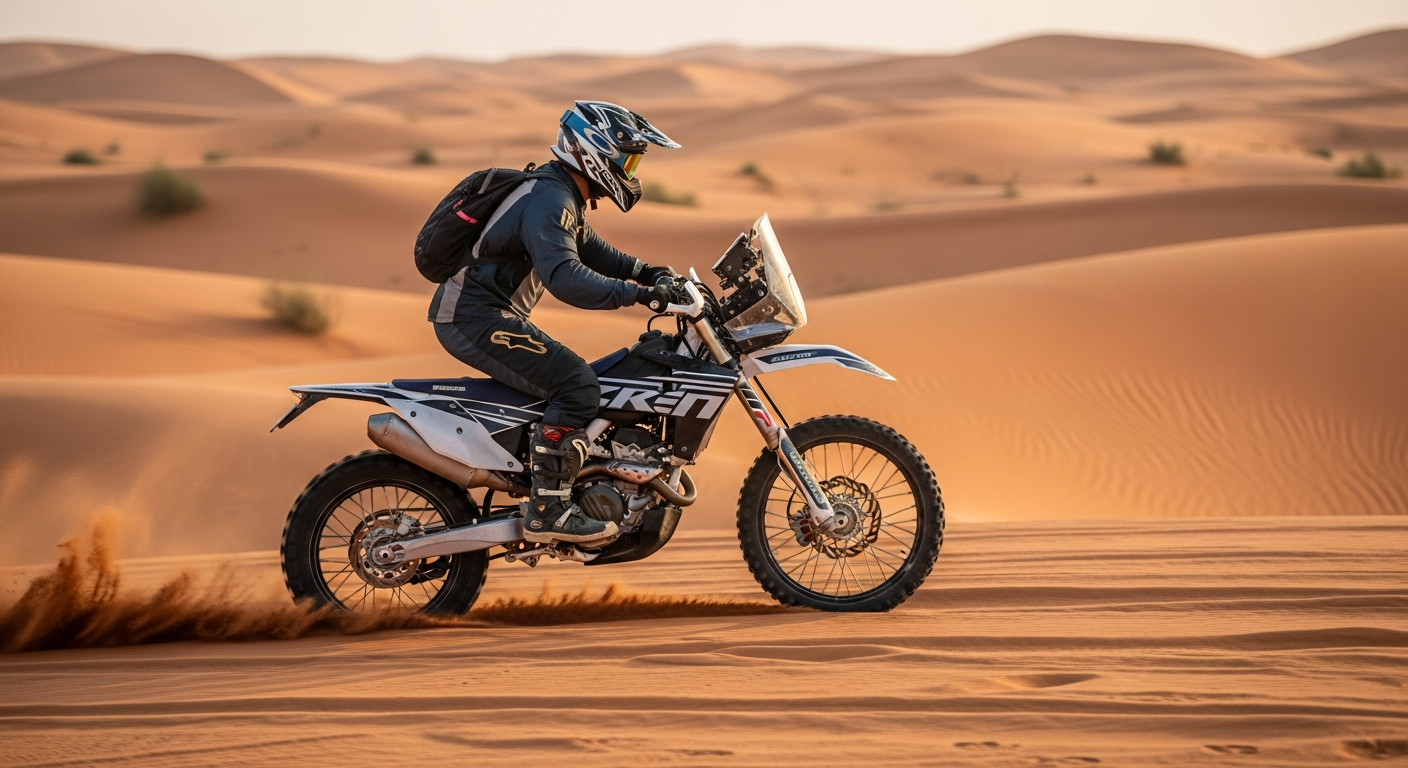
Safety is not a box to tick quickly. A good safety briefing should explain hand signals, following distance, what to do if the group stops, and how to behave around other vehicles. It should also cover what riders should wear, how to sit or hold on, and what to do if sand becomes difficult.
Protective gear deserves attention too. Helmets are the obvious item, but gloves, eye protection, and closed footwear can make a real difference in sand and heat. Loose clothing, flip flops, and long scarves are poor choices around any off-road vehicle. Ask what is provided and what you should bring, then plan to dress for sun, dust, and movement.
Do not treat maintenance as a minor detail. Brakes, tyres, steering, and seat belts or harnesses need to be in proper working order. You do not need technical knowledge to ask whether the vehicle is checked before use and whether worn parts are replaced. If a vehicle looks damaged, sounds wrong, or feels unstable, the sensible choice is to stop and report it rather than continue.
Check the route, pace, and riding style
Two rides with the same name can feel quite different. One may focus on dune bashing with fast climbs and sharp turns. Another may keep to gentler tracks with photo stops. Ask how long the driving portion lasts, how fast the group usually moves, and whether there are places to stop. The answer helps you judge whether the trip suits children, older riders, or anyone who prefers a steadier pace.
Route conditions are another point to check. Sand changes with weather and traffic. A route that was smooth on one day may have deep tracks or steep cuts on another. Operators may adjust the plan on the day, and that can be a good sign if the reason is safety. What you want is a clear explanation of the route, the riding level, and any possible changes.
Group size also changes the feel of the ride. A small group can move with more space, while a larger group may need more waiting and tighter control. Ask how many vehicles usually share the route and whether groups are split by experience. That can prevent the common problem of beginners feeling rushed or confident drivers feeling held back.
Understand what is included around the drive
Many desert trips bundle several activities. A buggy session might sit alongside a desert safari, camel rides, sandboarding, dinner, or entertainment. Those extras can be enjoyable, but they can also crowd the schedule. Check the order of the day and how much time is given to each part. If driving is the reason you are booking, avoid a package where most of the day is spent elsewhere.
Pickup service is another practical detail. Desert meeting points can be hard to reach without local knowledge, and timings can feel tight in the heat. Ask where the ride starts, whether transport is offered, and what time you should be ready. If you are making your own way, confirm the meeting point clearly and allow extra time.

Food, water, and shade are easy to overlook. A short drive in warm conditions can still feel tiring. Check whether drinking water is available, whether there is a place to rest before or after the ride, and whether meals are part of the booking. This is especially useful for families or anyone joining after a long flight.
Read the booking terms with care
Before paying, check what the booking includes in plain terms. Look at the duration, start time, activity type, group arrangement, and what happens if weather affects the plan. Clear terms are useful because they set expectations for both sides. If a detail is not written down, ask for it to be explained before the day rather than at the meeting point.
Cancellation and rescheduling rules also matter. Desert plans can change because of weather, health, travel delays, or other commitments. A fair policy should say what is allowed and what is not. It is better to understand those rules before booking than to discover them during a stressful moment.
Insurance and liability are worth checking without turning the process into a legal exercise. Ask what cover applies to the activity, what it does not cover, and whether deposits or damage rules exist. The answer should be clear enough to understand. If the language is confusing or the response is dismissive, pause and compare other options. Many travellers use a site such as alqudratours.com to keep the main details in one place before making a decision.
Questions that make the choice clearer
A short set of questions can sort a suitable ride from a poor fit. You do not need to interrogate anyone. You simply want answers that are specific, consistent, and easy to understand.
- What vehicle will be used, and can beginners drive it safely?
- How long is the actual driving time, apart from transfers and stops?
- What safety briefing and protective gear are provided?
- How many vehicles usually share the route, and is the pace controlled?
- What happens if weather or sand conditions change on the day?
The way these questions are answered is as useful as the answers themselves. Vague replies about adventure and excitement are not enough. A reliable booking experience should make the route, vehicle, safety setup, and schedule easy to picture before arrival.
Match the ride to the people going
Think about the group rather than the activity alone. A rider who is confident on a quad bike may still need time to adjust to a buggy. A person who enjoys speed may dislike a slow sightseeing route. Children and less experienced riders often do better with a calm briefing, a controlled pace, and a route that avoids aggressive dune driving.
Health and comfort also play a part. Dust, heat, bumps, and long periods sitting in one position can be tiring. Anyone with back, neck, or joint concerns should think carefully about rough terrain and ask about the route before booking. Motion sickness is another reason to choose a gentler option. If there is doubt, a shorter first ride is usually more sensible than forcing a full programme.
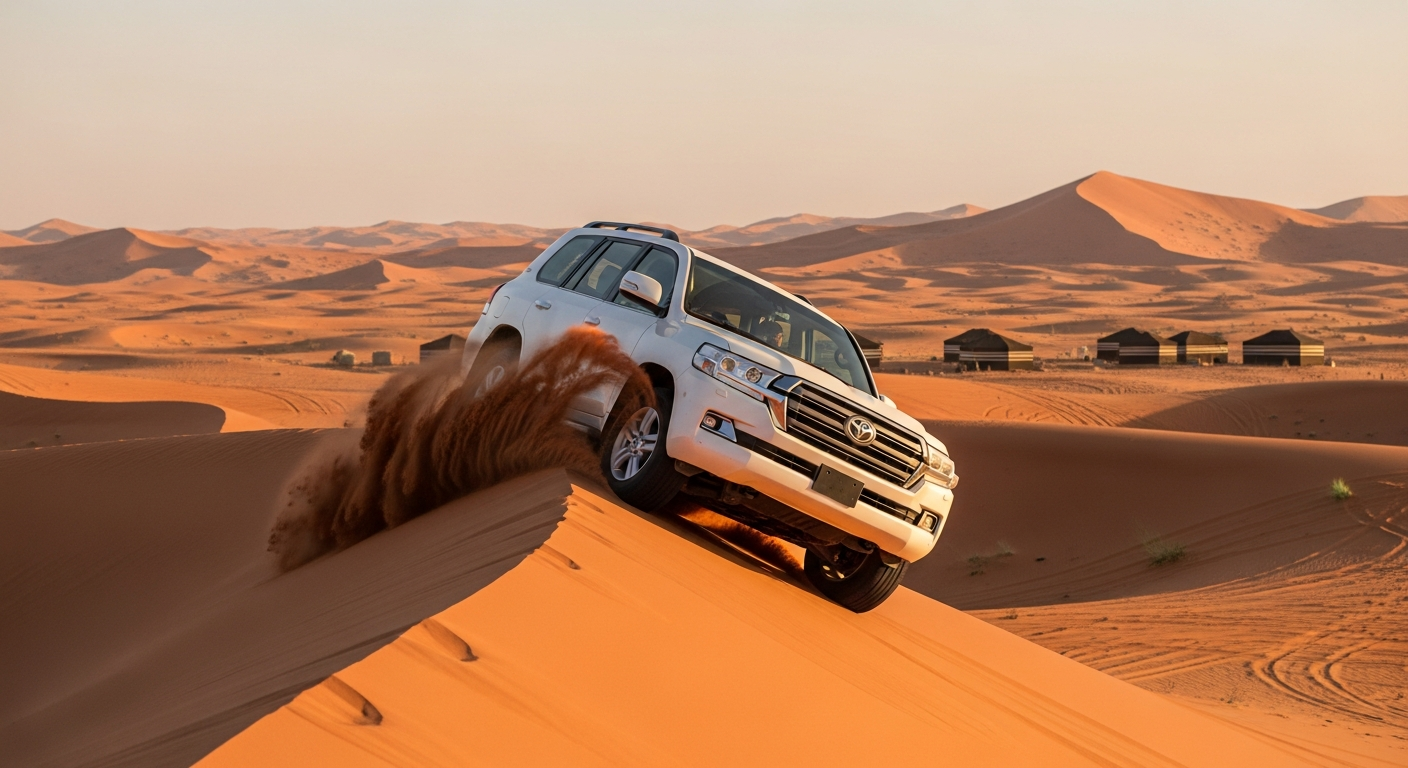
Photography is another small but real consideration. Many riders want a record of the desert, but stopping in the wrong place can be risky. Ask where photos are allowed and how stops are managed. A planned photo point is better than random stops on a slope or near moving vehicles.
Make the final decision on fit, not just novelty
The appeal of a buggy ride is easy to understand. It is active, open air, and tied to a landscape that feels very different from city streets. The best choice is not simply the most dramatic option. It is the one where the vehicle, route, safety process, schedule, and group needs line up.
Compare your options using the same points each time. Note the driving time, the vehicle type, the briefing, the gear, the group size, and the terms. Then decide whether the trip feels clear and manageable. Names such as alqudratours.com can help you keep track of where you saw each detail while you compare. When the basics are settled, the ride itself is much easier to enjoy with confidence.